Join Our Facebook Community

As hormone levels shift during menopause, many women report feeling more stressed, tired, or emotionally overwhelmed. A key player in this experience is cortisol, the body’s primary stress hormone. But why does cortisol become such an issue during menopause — and what can you do about it?
🧠 Why Cortisol Changes During Menopause
1. Loss of Oestrogen’s Buffering Effect
Before menopause, oestrogen helps regulate cortisol and supports a balanced stress response. As oestrogen declines, this buffer weakens — meaning the body may become more reactive to stress.
2. Sleep Disruptions Raise Cortisol
Night sweats, hot flushes and insomnia are common during menopause, disrupting circadian rhythms and often leading to elevated cortisol levels both at night and during the day.
3. Increased Load on Adrenal Glands
The adrenal glands take over part of hormone production post-menopause. If you’re already stressed or depleted, the added demand can strain your system — leading to imbalances in both cortisol and other hormones.
4. Blood Sugar Swings
Menopause can affect how your body processes insulin and glucose. Fluctuating blood sugar can trigger stress responses and further elevate cortisol.
⚠️ Effects of High Cortisol During Menopause
- Increased belly fat (especially visceral fat)
- Anxiety, mood swings or irritability
- Fatigue or “wired but tired” feeling
- Poor sleep or difficulty staying asleep
- Brain fog or memory issues
- Weakened immunity
- Elevated blood pressure or blood sugar
- Worsening of hot flushes
🌿 How to Lower Cortisol & Restore Balance
🧘♀️ Lifestyle Tips That Work
- Prioritise Sleep
Create a regular wind-down routine and try relaxation techniques, magnesium baths or natural aids like valerian or chamomile.
➤ NHS sleep self-help guide - Gentle Movement Daily
Walking, yoga, tai chi or light strength training all help modulate cortisol and boost mood. - Mindfulness & Breathwork
Short breathing exercises or guided meditation can bring cortisol down fast — even 5 minutes a day makes a difference.
➤ NHS Mindfulness overview - Limit Stimulants
Caffeine and alcohol can increase cortisol and disturb sleep. Consider cutting back or swapping for herbal alternatives. - Balance Your Plate
Eating regularly and combining protein, fibre, and healthy fats keeps blood sugar (and cortisol) more stable.
➤ NHS healthy eating guide
🧴 Supplements That May Support Cortisol Balance
While lifestyle is foundational, the right supplements can be a helpful addition — particularly when guided by your unique needs. Always consult a health professional before starting any new supplement, especially if you’re on medication.
🔹 Magnesium
Supports sleep, nervous system regulation, and stress recovery. Magnesium glycinate or citrate are usually best tolerated.
🔹 B Vitamins (B5, B6, B12)
Essential for energy production and adrenal function. B6 in particular supports mood and hormone balance. Look for high-quality B-complex blends.
🔹 Adaptogens
Plant compounds that help the body respond more calmly to stress:
- Ashwagandha – May lower cortisol and ease fatigue
- Rhodiola – Boosts energy and resilience
- Holy Basil (Tulsi) – Traditionally used to soothe anxiety
(Check for interactions if you take thyroid or blood pressure medication.)
🔹 Omega-3 Fatty Acids
Support mood, reduce inflammation, and protect brain health. Available in fish oil, algae oil (vegan), or through oily fish like mackerel and salmon.
🔹 Vitamin D
Frequently low in women in the UK, especially during and after menopause. Supports mood, immunity, and bone health.
➤ NHS vitamin D advice
🔹 Protein & L-Theanine
- Protein helps balance blood sugar and preserves lean muscle.
- L-theanine (from green tea) promotes calm without drowsiness — ideal if stress hits during the day.
🔹 Botanical Sleep Aids
Herbs like lemon balm, valerian, and passionflower may support relaxation and reduce night-time cortisol spikes that disrupt sleep.
🔬 Test, Don’t Guess: Personalised Blood & Hormone Testing Now Available
If you’re struggling with stress, fatigue, or unexplained symptoms during menopause, it may be time to look under the surface.
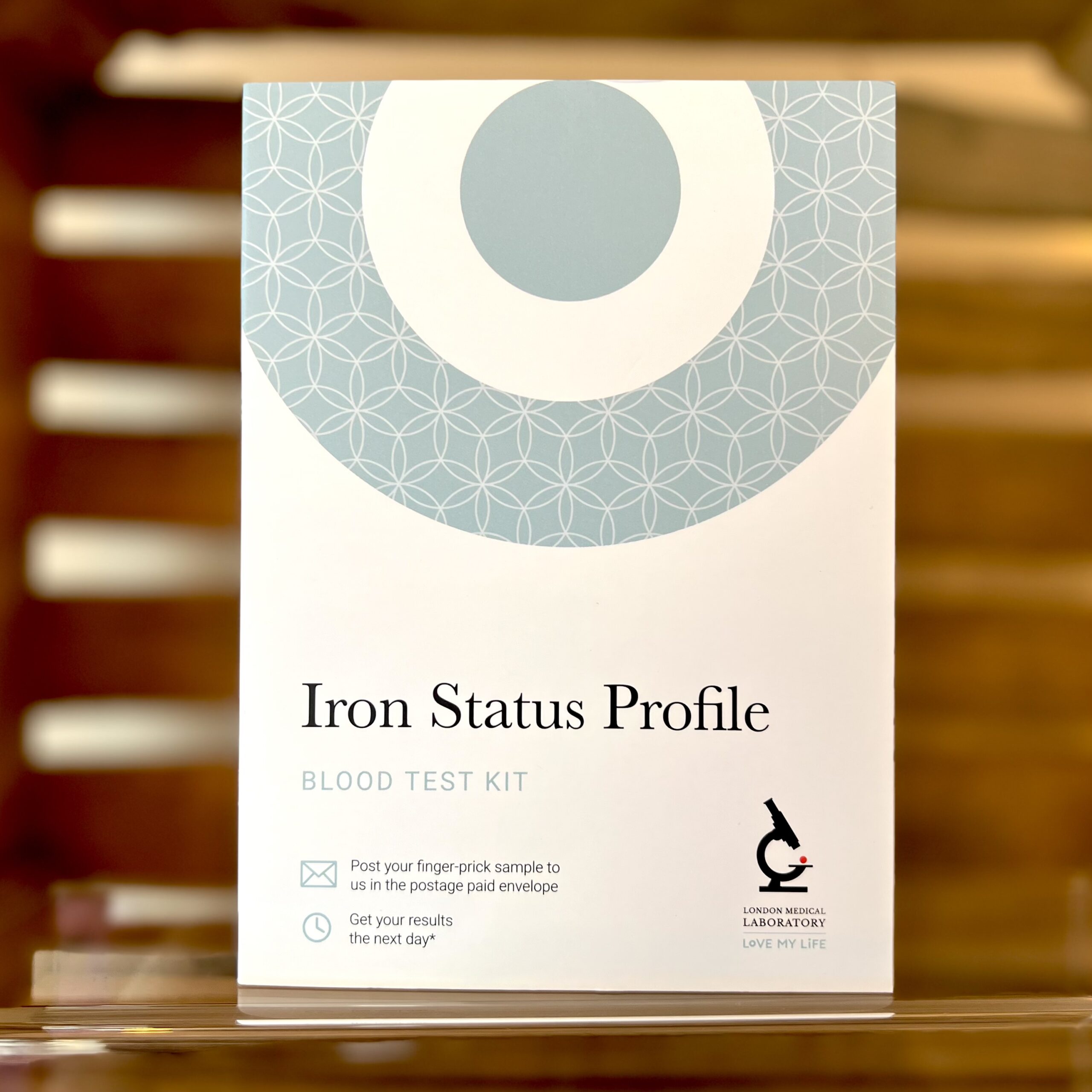
At The Health Dispensary, we now offer a range of quick and convenient blood and hormone tests to help uncover what your body truly needs. These can help identify:
- Cortisol patterns (morning vs. evening levels)
- Vitamin & mineral status (e.g. B12, iron, vitamin D)
- Thyroid function — often disrupted during menopause
- Inflammatory markers that may contribute to pain, fatigue or hormone disruption
🕒 Most tests take just 15 minutes, and our team can guide you through your results and next steps — whether that’s lifestyle changes, supplements, or further support.
Why guess, when you can test — and take targeted action?
✨ Final Thought
Cortisol is often the missing piece in menopause care. It doesn’t just affect your stress response — it impacts your sleep, weight, mood, and energy. By understanding how to support your body through this change, you can feel more in control and confident in this next stage of life.
By Ali Sparkes BScHons MScEcon IP FRPharmS, Independent Prescribing Pharmacist